Charitable Incorporated Organisation (CIO)
Gives charities their own legal personality, registered solely with Charity Commission.

At Branch Austin McCormick, we combine legal expertise with compassion to support charities. Whether you’re setting up a new charity or navigating regulations, our experienced solicitors take time to understand your charity and provide tailored legal support to strengthen your mission.

Finding the best legal structures to align with your mission; conducting Company Secretarial work and drafting policies.

Includes internal disputes and contentious probate and commission inquiries.

Lease and property ownership resolution advice.

Includes employment advice, TUPE, whistleblowing and discrimination claims. We can also advise trustees including duties & obligation.

We provide support on staff visas and Home Office compliance.

Providing guidance on any compliance, fundraising or governance issues.

Advising on trusts and charitable donations, including donations in wills and Inheritance Tax reduction.
If your income is £5,000 or more per year, you must apply to register your charity with Charity Commission.
Yes, a governing document is a legally binding document that outlines what charities can do and decision-making policies. This document must be distributed amongst the charity’s trustees.
Trustees are responsible for ensuring that charity law is not broken and must always respect the charity’s governing document.
There are numerous ways to do this – and by leaving 10% of your estate to charity, you can reduce IHT from 40% to 36%.
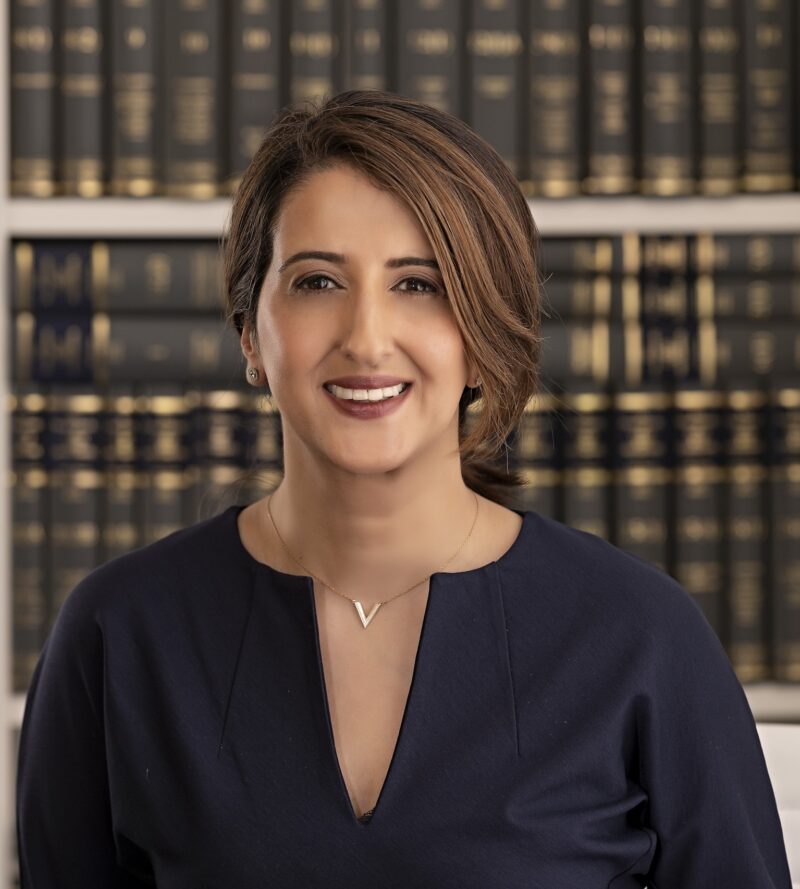
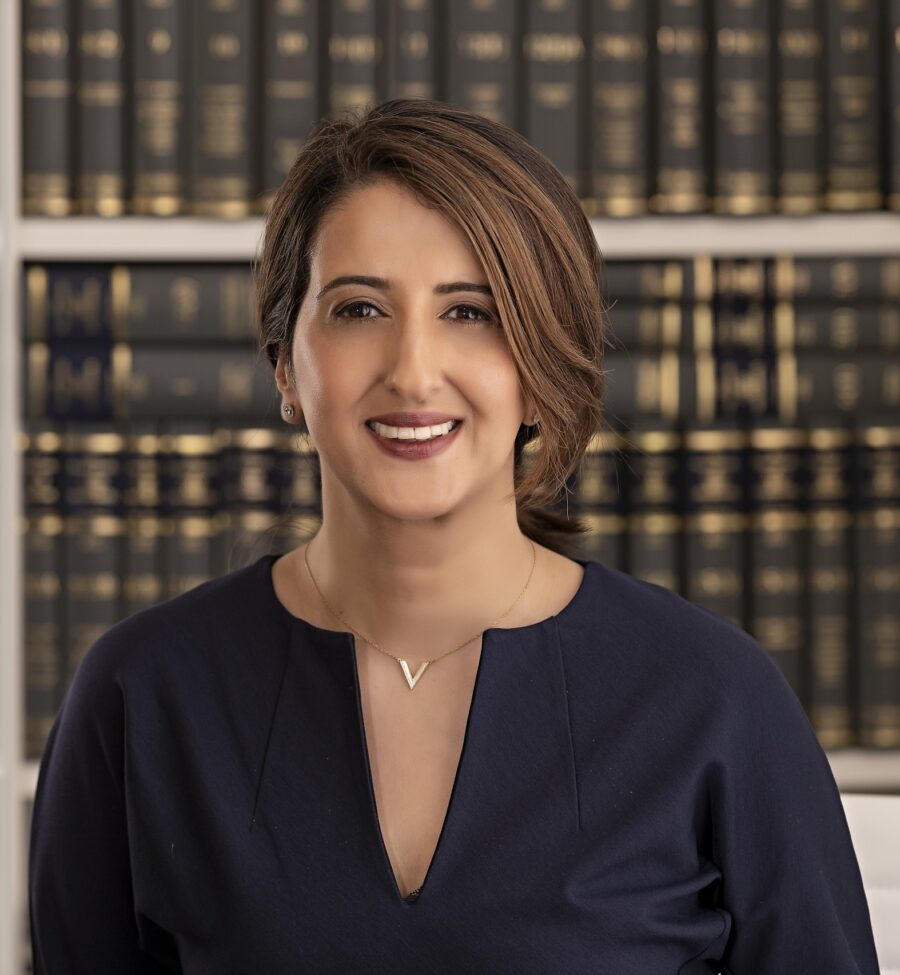
Partner and Head of Corporate
Harender is an experienced partner and head of the corporate department, having acted on corporate and commercial matters for over 20 years. Harender previously headed up the corporate team of the London office of a national firm, before joining us in 2012. Harender prides herself on long term client relationships and offering clear, user-friendly advice through her personable approach.
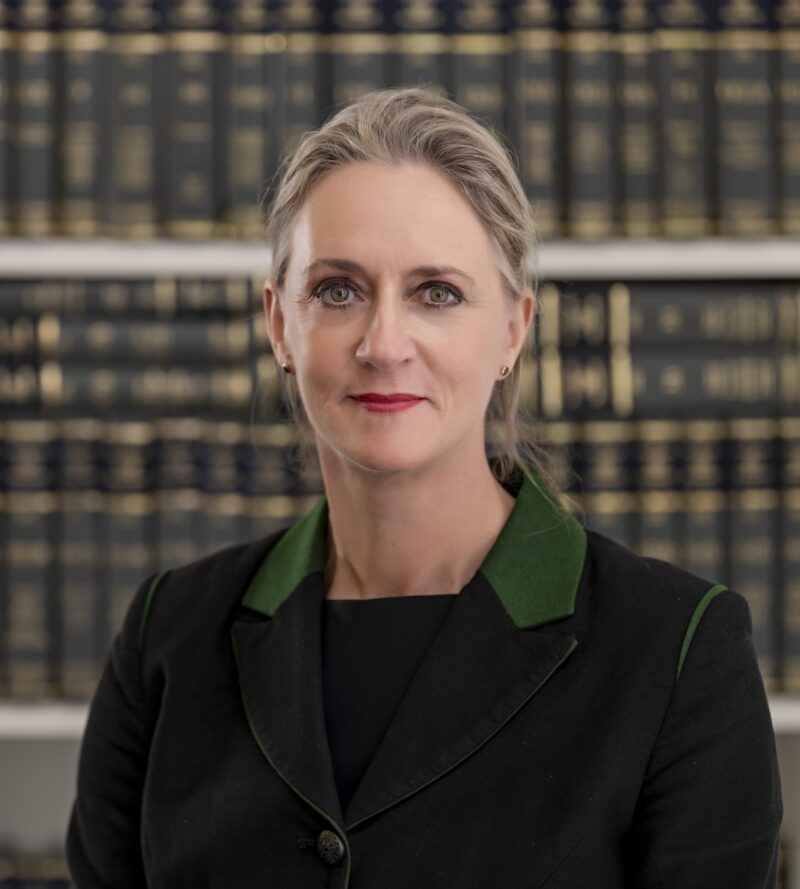
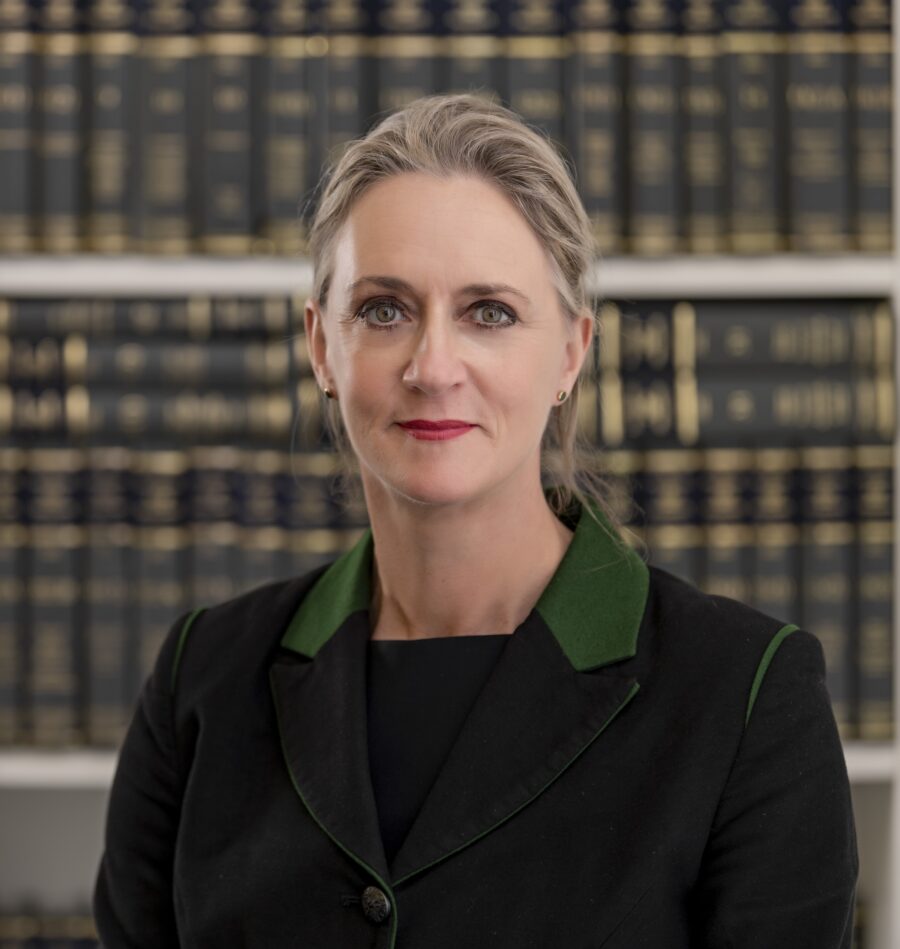
Partner - Family, Commercial & Technology
Robyn Allardice is a seasoned Family Lawyer and Mediator with extensive experience in the UK, international family law, and global cross-jurisdictional issues, as well as commercial & technology law.
Partner - Corporate and Commercial
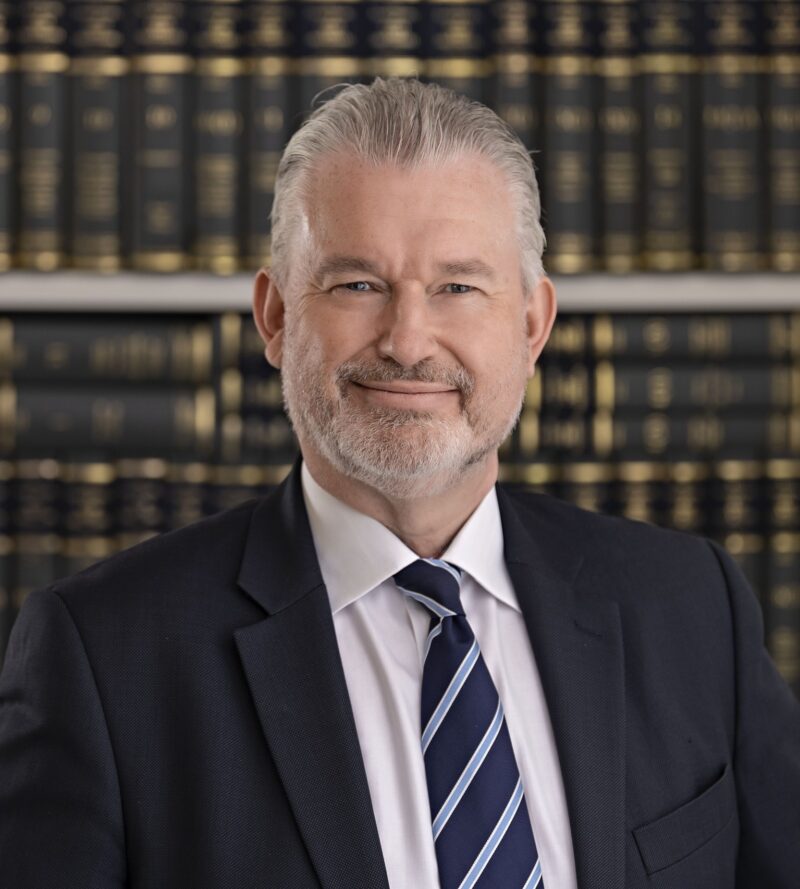
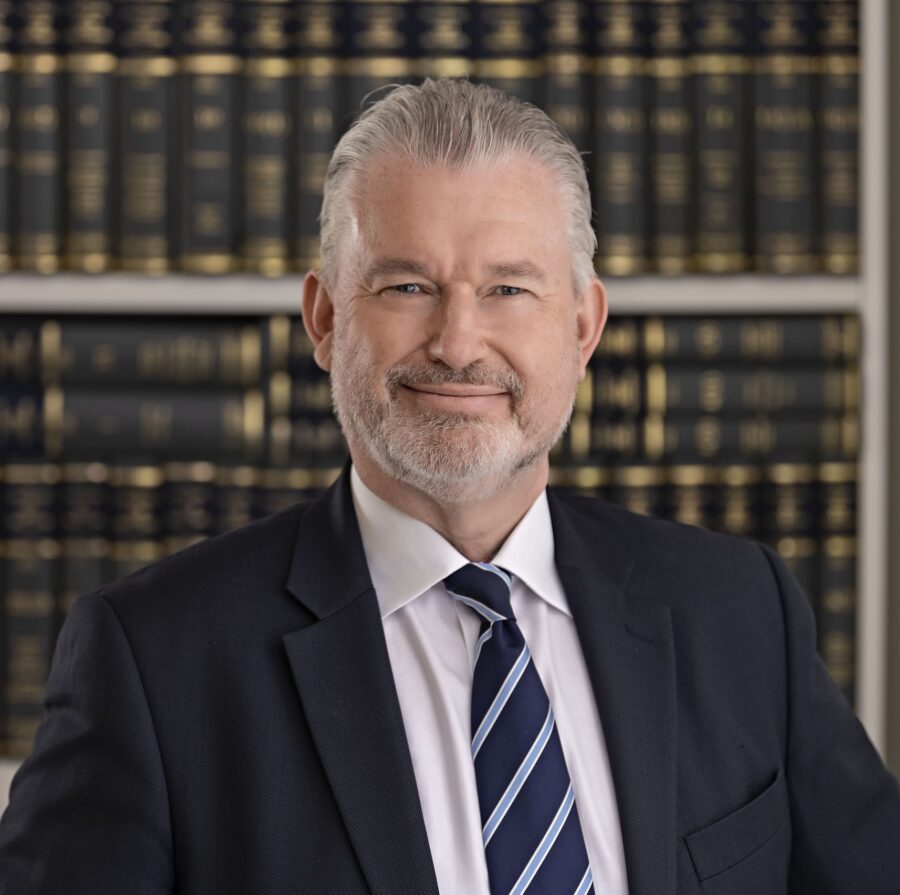
Martin qualified as a solicitor in 1990, and has many years of experience in Corporate, Commercial and Employment law.
He focuses on two main areas, the Technology and Medical Sectors.


Consultant - Private Client
Helen Freely is a consultant in the private client department. Her background and specialisms include Wills, probate including UK and foreign domiciliary estates, trusts, court of protection work, lasting powers of attorney, tax planning and charity law.


Partner - Private and Corporate Immigration
Charlotte is an experienced UK immigration solicitor. She advises individuals, entrepreneurs and businesses across the full range of UK immigration routes and is known for her calm, supportive approach, making complex Home Office processes feel manageable for her clients.